

Chuuk Lagoon Ghost Fleet
WWII underwater fleet and war-grave landscape from Operation Hailstone.

Paranormal Country Haunted Places Top 40
Think this location belongs in the worldwide chart? Members can nominate it.
History & haunting lore
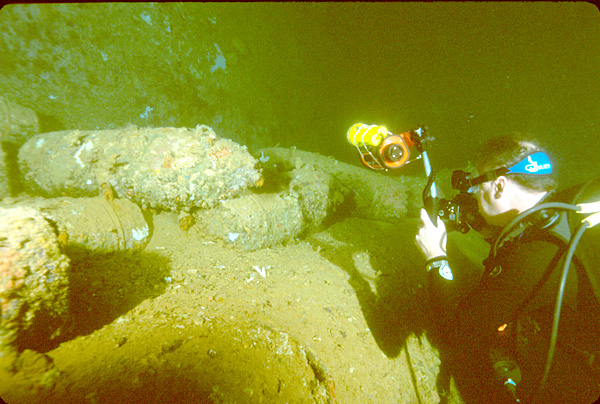
Chuuk Lagoon, formerly known as Truk, is a large sheltered atoll in the Federated States of Micronesia that served as the Imperial Japanese Navy's principal forward base in the Central Pacific during the Second World War. In February 1944 United States carrier aircraft launched Operation Hailstone, a sustained assault that sank dozens of Japanese merchant and naval vessels at anchor and destroyed much of the base. Many ships went down with their cargoes, vehicles, aircraft and, tragically, a great number of sailors and support personnel, creating one of the largest concentrations of wartime wrecks anywhere in the world.
Because so many of the sunken vessels remain where they settled, and because the loss of life was so heavy, the lagoon is often described in atmospheric or 'ghostly' terms, and divers sometimes report a profound sense of stillness among the wrecks. Such impressions are personal and subjective, a natural response to a place of mass death, and are best understood as reflection rather than any claim of the supernatural.
The lagoon's true significance is as an underwater war grave and an extraordinary archaeological record of the Pacific war. The wrecks, gardens of coral and preserved cargo hold real historical and memorial value, and they are approached most fittingly with the dignity owed to those who died there.
Current site status
Chuuk Lagoon is a working dive destination reached through Weno and the wider Chuuk State, and its wrecks draw experienced recreational and technical divers from around the world. Access is arranged through licensed local operators and liveaboard boats, and permits or fees administered by the state authorities generally apply; many wrecks lie at depths that require appropriate training and experience.
The sites are war graves that still contain human remains, and both local regulation and diving custom prohibit removing artefacts or disturbing the wrecks. Visitors are asked to treat the lagoon as a place of remembrance, dive responsibly, and follow the guidance of local communities and guides.
More photos

Images sourced from Wikimedia Commons and other open references where available.
Activity at Chuuk Lagoon Ghost Fleet
Field notes and sightings tagged to this haunt.