

Por-Bazhyn Fortress
Remote island fortress ruin with fire, earthquake, and monastery-fortress mystery theories.
Paranormal Country Haunted Places Top 40
Think this location belongs in the worldwide chart? Members can nominate it.
History & haunting lore
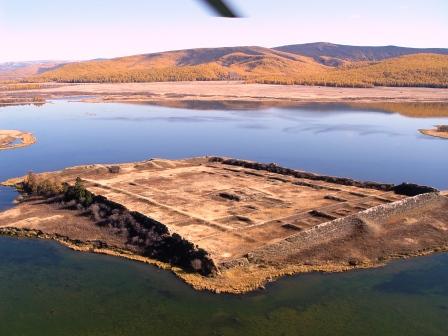
Por-Bazhyn, meaning roughly "clay house" in Tuvan, is a ruined fortress-like complex occupying almost an entire small island in Lake Tere-Khol, high in the mountains of south-eastern Tuva near the Mongolian border. Built in the mid-eighth century during the era of the Uyghur Khaganate — dendrochronology points to around 777 CE — it consists of a large rectangular enclosure of clay walls and timber, with courtyards and central structures laid out on a formal plan. Its purpose is debated: it may have been a fortress, a Manichaean monastery, or an imperial residence, and it appears to have been used only briefly before being abandoned.
The site's isolation and enigmatic function have long invited speculation and local legend, and its remoteness lends it an air of mystery. Such stories are anecdotal and should be read as folklore surrounding an unusual archaeological monument rather than evidence of anything supernatural.
Por-Bazhyn is a genuinely important archaeological site of the Uyghur period, investigated by major expeditions in 2007 and 2008 and valued for what it reveals about Central Asian history and architecture. It remains a compelling subject of scholarship and heritage interest.
Current site status
Por-Bazhyn is very difficult to reach, lying on an island in a high mountain lake in a remote corner of Tuva near the Mongolian frontier; travel typically involves a long overland journey from Kyzyl followed by a boat crossing, and border-zone regulations may apply. There are no tourist facilities on site.
The ruins are fragile earthen and timber remains that can be damaged easily, so any visitor should tread lightly, disturb nothing, and respect the site's archaeological importance. Because of the access difficulties and permit considerations, careful advance planning is essential.
More photos

Images sourced from Wikimedia Commons and other open references where available.
Activity at Por-Bazhyn Fortress
Field notes and sightings tagged to this haunt.